Attachment Styles Therapy
In New York
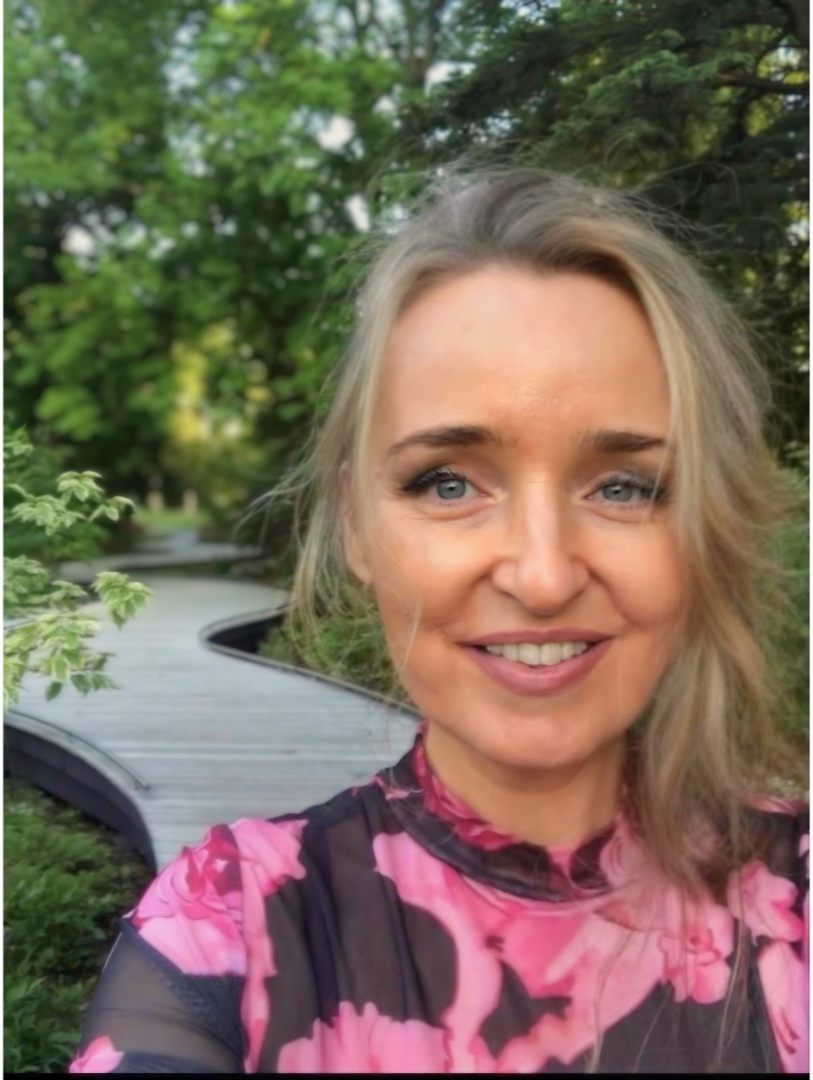
With Ina Grix, LP, MA

I am a therapist who teaches other therapists how to recognize relational patterns.
My strength is pattern recognition. I help people see what is happening beneath the surface, and build new patterns that align better.
Do you feel like you keep pulling the same card over and over from life?
Do closeness and connection often turn into fear, conflict, or distance?
Many people come to therapy confused about why relationships feel so hard, even when they’re trying their best. These patterns can make people question their worth, their choices, and whether healthy relationships are even possible.
But patterns usually have a history and meaning. Once we understand what safety means to us, we can ask for it without hurting the other.
My Attachment Therapy Helps Clients With:
Relationship patterns they can’t break
Fear of closeness
Fear of abandonment
Struggle to trust
Feeling unlovable
People pleasing and losing oneself
One-sided relationships
These patterns start long before adulthood
but shape all relationships until have awareness.

How My Attachment Therapy Works
I begin by understanding your history. Together we explore where patterns began and how your early experiences shaped the way you approach closeness, conflict, and trust.
One thing I often say in sessions: Because something happened to you before, your body expects it will happen again.
Therapy helps rewrite that script and rewire your nervous system to stop reading danger.
As we recognize patterns in real time, you start to understand what triggers them, how to get relief and respond differently.
Modalities I Use
-
Helps uncover unconscious relational patterns that shape how you experience closeness and conflict.
-
Explains why we sometimes react to partners as if they were someone from our past. Recognizing this dynamic creates freedom in relationships.
-
Provides a clear framework for understanding your emotional needs for closeness, safety, and independence.
-
Focuses on body sensations instead of overanalyzing thoughts. This makes emotional experiences easier to notice and express.
-
Helps identify the younger parts of you that still carry old wounds so they no longer drive present relationships.
-
Helps you notice how attachment fears show up in the body and learn ways to regulate those reactions.
Watch Patterns Shift
When people understand their attachment,
relationships become very different.

After Attachment Therapy, My Clients Report:
Feeling lovable
Choosing healthier partners
Trusting naturally
Less fear in closeness
Clearer boundaries
Easier emotional vulnerability
Relationships that once felt confusing begin to feel comforting.
About Ina Grix, LP, MA
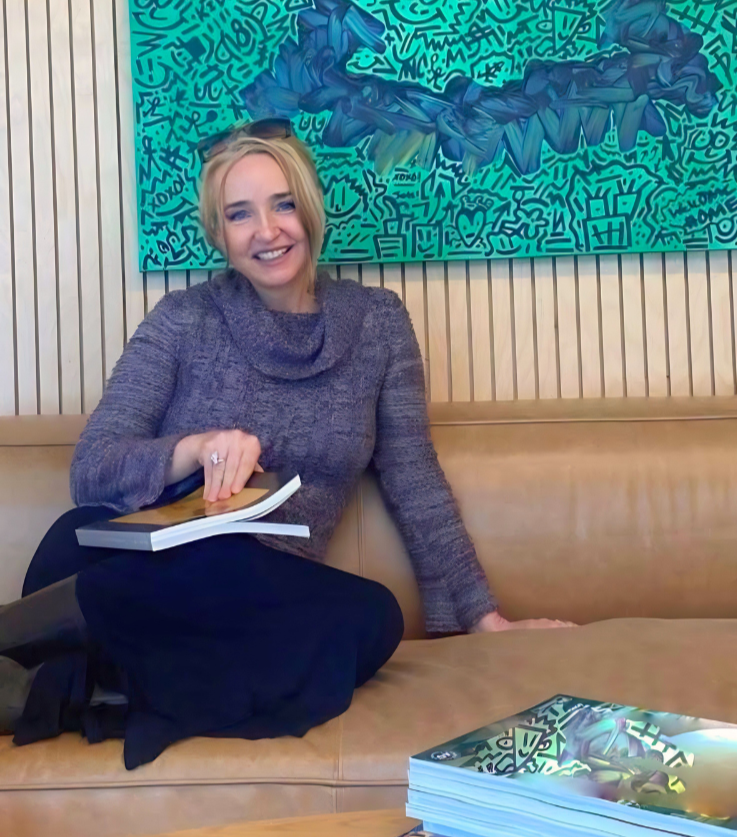
For over a decade, I have helped clients uncover their attachment patterns and develop a deeper understanding of themselves in relationships.
I am a Licensed Psychoanalyst and also teach psychoanalysis and transference at a postgraduate training institute in New York. Transference helps explain why we sometimes react to the people we love as if they were someone from our past.
Outside of therapy, I enjoy dancing, reading neuroscience and quantum physics papers for fun, and learning new languages. My cat Charlie occasionally appears during sessions.
Availability: I work with clients via Telehealth across New York because I’ve found that clients are on their “best behavior” in my office. My therapy works better because you’re learning in your environment.
Education, Credentials,
& Trainings
Licensed Psychoanalyst (LP), State of New York, Masters in Linguistics (MA)
Graduated in Psychoanalysis, Gestalt Center for Psychotherapy and Training, New York
Faculty and Instructor, Psychoanalytic Training Program at the Gestalt Center for Psychotherapy and Training
The Couples Institute, Developmental Model, Advanced Training
Over 10 years in clinical practice working with individuals and couples
3 Steps To Get Started
-
Fill out the contact form to reach out. If attachment therapy with me is not the right fit, I will help you find someone who may be.
-
We will schedule a short phone call to talk about what you are experiencing and see if working together feels like a good match.
-
In our first meeting we begin mapping your relationship patterns, and how they make love and trust difficult.